


Essential Tips for Cleaning Your Retainers
Cleaning retainers and night guards is crucial for maintaining oral health. These dental appliances can harbor bacteria if not cleaned properly. Regular cleaning ensures they remain effective and comfortable to wear.
Many people overlook the importance of retainer hygiene. Yet, it plays a vital role in preventing bad breath and oral infections. Proper care can also extend the life of your retainer.
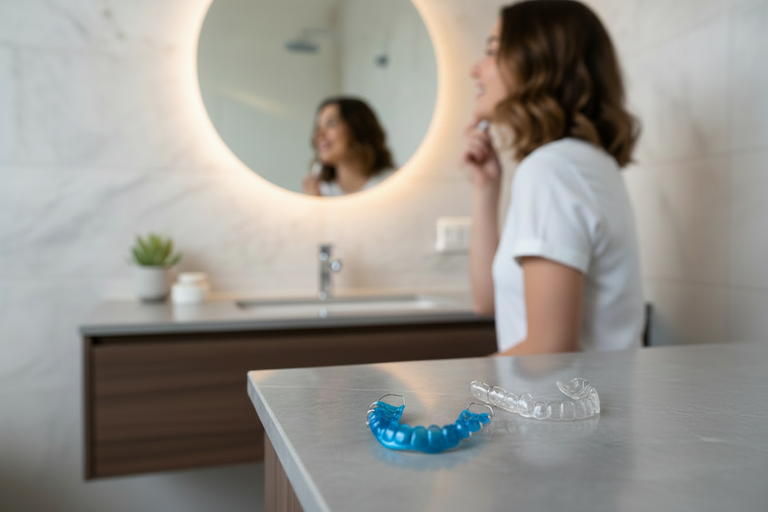
Different cleaning methods suit different types of retainers. Whether you have a traditional retainer or an Invisalign, knowing the right techniques is essential. This guide will provide you with practical tips for each type.
You'll learn about daily cleaning routines and deep cleaning techniques. We'll also cover what to avoid to prevent damage. By following these tips, you can ensure your retainers stay clean and effective.
Why Retainer Hygiene Matters
Retainer hygiene is vital for more than just aesthetic reasons. Dirty retainers can lead to oral health issues such as plaque buildup and gum disease. Keeping them clean prevents bacteria from transferring to your mouth.
Poor hygiene can also result in bad breath, making social interactions uncomfortable. A clean retainer ensures fresh breath and confidence. Regular cleaning should not be overlooked, as it plays a crucial role in overall oral health.
Furthermore, consistent hygiene practices extend the life of your retainer. Well-maintained retainers fit better and perform their intended function without causing discomfort. Neglected retainers may wear out faster and require costly replacements.
Consider these key benefits of maintaining proper retainer hygiene:
-
Prevents oral infections
-
Maintains fresh breath
-
Prolongs the lifespan of retainers
-
Ensures effective orthodontic treatment
Keep your retainers as clean as your teeth by making hygiene a priority.

Daily Retainer Cleaning Methods
Cleaning your retainer daily is essential for preventing bacteria and plaque buildup. Start by using a soft-bristled toothbrush and non-abrasive toothpaste. This combination ensures you clean all surfaces without scratching your appliance.
Make it a habit to clean your retainer immediately after removing it. This practice prevents any food debris from hardening and becoming difficult to remove. Rinse your retainer with lukewarm water first to loosen any particles.
A separate toothbrush dedicated to your retainer is a wise choice. This step avoids cross-contamination from other uses. Gently brush your retainer in circular motions, ensuring you cover all crevices.
Here's a simple daily cleaning routine to follow:
-
Rinse with lukewarm water
-
Use a soft-bristled toothbrush with non-abrasive toothpaste
-
Avoid hot water that can warp materials
-
Focus on gentle, circular brushing
Finish by thoroughly rinsing your retainer to remove all traces of toothpaste. Residual cleaning products can alter the taste and cause irritation. Allow your retainer to air-dry completely before storing it.
Consistency is key to maintaining fresh breath and a bacteria-free appliance. By incorporating this routine into your daily habits, you safeguard your mouth's health and keep your retainer in top shape.

Deep Cleaning Techniques for Retainers and Night Guards
Deep cleaning your retainers and night guards weekly ensures longevity and optimal hygiene. Regular cleaning methods are great, but deep cleaning tackles stubborn stains and odors. This approach ensures your appliances are thoroughly sanitized.
Consider soaking your retainers in a specialized cleaning solution. Denture or retainer cleaning tablets work effectively. Mix the solution according to package instructions and let your retainers soak for the recommended time.
For a natural alternative, you can create a vinegar solution. Combine equal parts white vinegar and water in a small container. Soak your retainer in this mixture for about 15 minutes, then brush and rinse thoroughly.
Baking soda is another excellent deep cleaning agent. Create a paste by mixing a teaspoon of baking soda with water. Apply this paste to your retainer and gently brush all surfaces.
Here are a few deep cleaning options summarized:
-
Use retainer or denture cleaning tablets
-
Soak in a water and vinegar solution
-
Use a baking soda paste for stains
-
Rinse thoroughly after each method
Ensure you rinse your retainers well before using them again. Any leftover cleaning products can leave a lingering taste and may be irritating. Deep cleaning not only keeps your retainers pristine but also contributes to better oral hygiene.
Cleaning Invisalign Retainers: Special Considerations
Invisalign retainers require special care due to their unique material. Unlike traditional retainers, these clear aligners are more sensitive. Careful cleaning prevents damage and preserves their clarity.
Follow manufacturer guidelines for cleaning solutions safe for Invisalign retainers. These products are formulated to avoid clouding or warping. Using inappropriate cleaning agents can compromise the aligner's material and its effectiveness.
A gentle approach is best. Rinse your Invisalign retainers under lukewarm water several times a day. Use a soft toothbrush and clear liquid soap to brush away any debris or buildup gently. Avoid using toothpaste, as it can be abrasive and cause scratches.
Key considerations for cleaning Invisalign retainers:
-
Use manufacturer-recommended cleaning solutions
-
Avoid abrasive toothpaste; use clear soap instead
-
Rinse retainers with lukewarm water regularly

by Katarzyna Zygnerska (https://unsplash.com/@katasha)
Regular inspections are important to maintain aligner quality. Check for any cracks or signs of wear and tear. Proper care of Invisalign retainers ensures they remain effective and unobtrusive throughout your treatment.
What to Avoid When Cleaning Retainers
Cleaning retainers involves more than just knowing what to do. It's crucial to be aware of certain practices to avoid. Some methods and substances can harm your retainers significantly.
Never use bleach or harsh chemicals to clean retainers. These substances can weaken and discolor your device. Similarly, hot water should be avoided as it can warp the retainer material, affecting fit and comfort.
Here's what to avoid:
-
Bleach and abrasive cleaners
-
Hot or boiling water
-
Soaps with strong fragrances or dyes

When choosing cleaning products, select those specifically designed for dental appliances. Household cleaners can be tempting but often contain harmful agents. Sticking to recommended products ensures that your retainers remain in good condition and continue to support your oral health effectively.
How to Store and Handle Retainers Properly
Proper storage and handling of retainers are vital for their longevity. Ensuring they are kept in a hygienic environment protects them from potential damage. A little care goes a long way in preserving their functionality and appearance.
When not in use, always store your retainers in a protective case. This prevents exposure to dirt and potential loss. Make sure the case is ventilated to avoid moisture buildup, which can lead to bacterial growth.
Here's how to store your retainers:
-
Keep them in a protective case
-
Ensure the case is clean and dry
-
Avoid exposure to heat and direct sunlight
Handling retainers with clean hands is essential to prevent transferring bacteria. Before touching them, wash your hands thoroughly. Regularly inspecting them for signs of damage or wear can help identify issues early, ensuring that they continue to serve their purpose effectively. Keeping them away from pets and small children further minimizes the risk of accidental harm.
Troubleshooting Common Retainer Issues
Despite best efforts, retainers may encounter common problems. Addressing these promptly ensures the retainers remain effective and comfortable to wear. Awareness and quick action can prevent minor issues from escalating into more significant concerns.
One frequent issue is a loose-fitting retainer. This can be due to wear or changes in your dental alignment. Always check with your dentist if you notice a change in fit. They can assess whether adjustments or replacements are necessary.
Here are common retainer issues and possible solutions:
-
Loose Fit: Consult your dentist for adjustments.
-
Discoloration: Regular, thorough cleaning may help.
-
Odor: Soaking in baking soda solution may reduce smell.
If you notice unusual signs like cracks or discoloration, it's crucial to seek professional advice. Ignoring these can lead to ineffective or even harmful use. Regular professional assessments help maintain retainer effectiveness, ensuring your dental health remains in prime condition.
Frequently Asked Questions About Retainer Cleaning
Many people have questions about the best practices for cleaning their retainers. Here, we address some of the most common inquiries to provide clear guidance. Maintaining your retainers is vital for your overall dental health.
One frequent question is how often retainers should be cleaned. Ideally, you should clean them after every use to avoid plaque buildup and odors. This helps in preventing the growth of bacteria.
Another common query involves the use of vinegar or baking soda for cleaning. Both are safe and effective natural options. However, it's essential to rinse thoroughly afterward. Below are answers to frequently asked questions:
-
How often should I clean my retainer? After each use.
-
Are vinegar and baking soda safe? Yes, when used appropriately.
-
Can I use toothpaste? Use non-abrasive toothpaste only.
Being informed and addressing these questions assists in establishing a proper retainer care routine. For personalized advice, a consultation with your dentist remains invaluable.
Final Retainer Cleaning Tips for Lasting Oral Health
Taking care of your retainers is not just about keeping them clean. It's a crucial part of overall oral hygiene. These tips can help you maintain excellent dental health while using your retainers.
First, make it a habit to inspect your retainers frequently. Look for any signs of wear, cracks, or warping. Acting quickly on any changes ensures your retainers remain effective.
Moreover, always handle your retainers with freshly washed hands. This practice prevents transferring harmful bacteria to your mouth. Consider using a designated toothbrush solely for cleaning them to avoid cross-contamination.
In addition, establish a consistent retainer cleaning schedule. Regular cleaning promotes better hygiene and prolongs the lifespan of your retainers. Here’s a summary of final tips to keep in mind:
-
Inspect retainers for damage regularly.
-
Handle with clean hands.
-
Use a separate toothbrush for retainers.
-
Create a consistent cleaning routine.
By incorporating these practices into your daily routine, you contribute to your oral health's longevity. Make sure to store your retainers properly when not in use. Remember, a small effort today can prevent bigger problems tomorrow.

Dentures & Spring Activities: How to Stay Confident Outdoors