Why Soft Foods Matter When Adjusting to Dentures
Eating with dentures doesn’t mean giving up the foods you love. The key is starting with softer, easier-to-chew meals while your gums and muscles adapt.
Most new denture wearers need several weeks to adjust to chewing and speaking comfortably.
Soft foods help prevent:
-
Gum irritation
-
Denture soreness
-
Slipping dentures
-
Pressure spots
-
Difficulty chewing
Many denture wearers find that eating with dentures becomes easier with practice and proper denture stability.
Using adhesive like Adhesadent can improve denture stability and make eating more comfortable during the adjustment period.

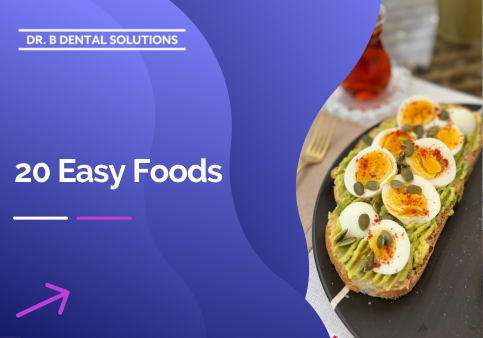
Top 20 Easy Foods to Eat With Dentures
These beginner-friendly foods are ideal for the first few weeks of wearing dentures.
1. Scrambled Eggs
Soft, high protein, and easy to chew.
2. Mashed Potatoes
Gentle on gums and require minimal chewing.
3. Tuna or Chicken Salad
Soft texture with good flavor and nutrition.
4. Yogurt
Comforting, creamy, and easy to swallow.
5. Mac and Cheese
Soft noodles make chewing easier.
6. Well-Cooked Vegetables
Steam vegetables until soft enough to mash with a fork.
7. Oatmeal
Smooth texture and easy digestion.
8. Avocado
Soft, nutritious, and full of healthy fats.
9. Cottage Cheese
Soft protein source that requires little chewing.
10. Soup (Broth or Pureed)
Warm and soothing for sensitive gums.
11. Fish (Salmon, Tilapia)
Flaky fish breaks apart easily and is easy to chew.
12. Soft Fruits (Bananas, Melons)
Naturally soft and gentle on gums.
13. Rice or Risotto
Soft grains that are easy to manage.
14. Ground Turkey or Beef
Cook until tender and moist.
15. Pancakes or Soft Waffles
Avoid tough or crispy edges.
16. Meatloaf or Meatballs
Soft and moist protein options.
17. Smoothies
Easy way to add nutrients without chewing.
18. Soft Bread (No Hard Crust)
Light chewing pressure required.
19. Scrambled Tofu
Soft plant-based protein option.
20. Pasta with Mild Sauce
Comfortable and easy to chew.
Tips for Eating Comfortably With Dentures
To make eating easier:
-
Cut food into small pieces
-
Chew slowly
-
Chew on both sides of the mouth evenly
-
Start with soft foods
-
Avoid very hot foods at first
Balanced chewing helps keep dentures stable and prevents tipping.
Bonus Tip for New Denture Wearers
Use Adhesadent before meals for added confidence and comfort.
Adhesive helps reduce denture movement and allows for more comfortable chewing while adjusting to new dentures.
Frequently Asked Questions About Eating With Dentures
What foods should you eat with new dentures?
Soft foods like eggs, yogurt, soup, pasta, and mashed potatoes are best when learning to eat with dentures.
What foods are hardest to eat with dentures?
Hard foods, sticky foods, and tough meats are usually the most difficult during the adjustment period.
How long does it take to eat normally with dentures?
Most denture wearers adapt to eating within 3–8 weeks, although improvement continues with practice.
Can you eat normally with dentures?
Yes. Most denture wearers return to a normal diet after adjusting and learning proper chewing techniques.
Conclusion
You can still enjoy delicious, satisfying meals with dentures — you just need the right starting foods.
As your comfort increases, you can begin reintroducing more challenging foods.
Using Adhesadent can help improve denture stability and make meals more comfortable while adjusting.
Dr. B Dental Solutions products are designed specifically for denture and dental appliance wearers to improve comfort and confidence during everyday activities like eating.




How to Clean Dentures to Prevent Infection (Complete System)
Long Flight Comfort Guide.